Chiropractic Care vs Pain Medication Compared
August 1, 2026
Gentle Chiropractor Passaic County Patients Can Trust
August 5, 2026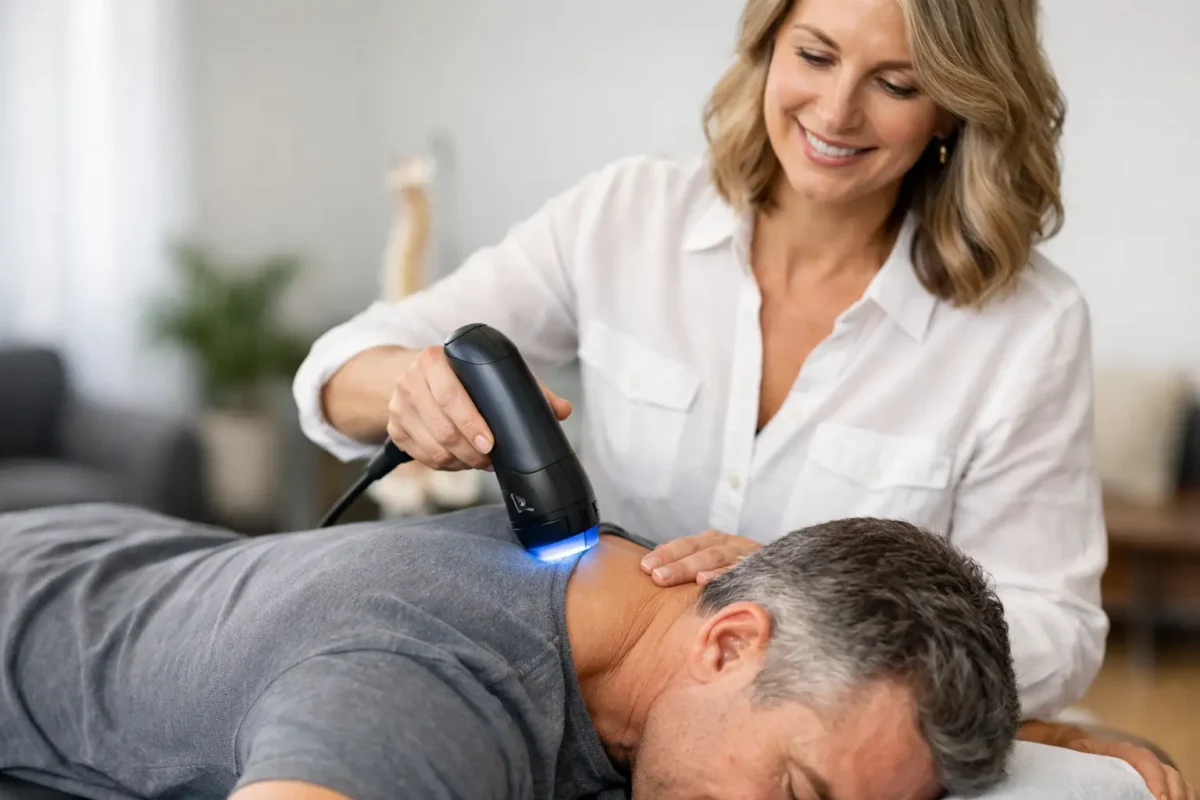
Pain that keeps returning can make everyday life feel smaller. You may avoid picking up your child, turn down a workout, plan your workday around a stiff neck, or wake up already wondering what will hurt. This guide to non invasive pain relief is for people who want more than a temporary fix – they want to understand what is driving their discomfort and take meaningful steps toward better movement and function.
Non-invasive care does not mean passive care or a one-size-fits-all routine. It means using thoughtful, lower-risk approaches to evaluate the body, improve how it moves, and support the nervous system without surgery or relying solely on medication. The right plan depends on your symptoms, history, goals, and how your body responds over time.
What Non-Invasive Pain Relief Can Address
Non-invasive pain relief may help people dealing with back pain, neck pain, headaches, joint stiffness, sports injuries, repetitive strain, and mobility limitations. It can also be valuable when stress, poor sleep, prolonged sitting, old injuries, or movement habits are contributing to recurring discomfort.
Pain is not always a simple measure of tissue damage. A painful area can be overloaded because another part of the body is not moving well. For example, a shoulder problem may be influenced by neck mechanics, posture, thoracic stiffness, or how the shoulder blade moves. Low back discomfort may be affected by hip mobility, core control, previous injury, and the demands of work or exercise.
That does not mean every symptom has one hidden cause. Bodies are complex, and chronic pain can involve physical, neurological, emotional, and lifestyle factors. But when care focuses only on quieting the signal without examining the pattern behind it, the same problem may keep coming back.
A Guide to Non Invasive Pain Relief Begins With Answers
The most useful first step is a thorough evaluation, not a generic treatment menu. A clinician should listen to when the pain started, what makes it better or worse, how it affects sleep and daily activities, previous injuries, medications, exercise habits, and health history. They should also assess movement, posture, joint function, strength, and neurological signs when appropriate.
Know When Pain Needs Medical Attention First
Non-invasive care is often appropriate, but some symptoms require prompt medical evaluation. Seek urgent care for sudden weakness, loss of bladder or bowel control, numbness in the groin area, severe pain after a major fall or accident, chest pain, trouble breathing, fever with significant back pain, or unexplained weight loss. New or worsening neurological symptoms should not be ignored.
A responsible provider knows when to co-manage care, request imaging, or refer to another medical professional. Diagnostic imaging can be helpful when the findings will change the care plan, but it is not automatically necessary for every ache. The goal is useful information, not testing for its own sake.
Look for Patterns, Not Just Pain Levels
Pain intensity matters, but it is not the only sign of progress. Consider what you can do now that was difficult before: turn your head while driving, walk farther, sit through a meeting, return to gardening, sleep more comfortably, or train without fearing the next day.
Keeping a simple record for one or two weeks can reveal patterns that memory misses. Note the activity, timing, location, severity, sleep quality, stress level, and what helped. This information gives your provider a clearer picture and helps distinguish a short-lived flare-up from a recurring movement or load-management issue.
Build a Personalized Plan for Relief and Resilience
The strongest non-invasive plans usually combine precise hands-on care, purposeful movement, and practical changes at home or work. The mix should be personalized. A runner recovering from knee pain, a parent with frequent headaches, and an office professional with persistent low back tightness may all need different starting points.
Gentle, Precision-Focused Chiropractic Care
For people who are hesitant about forceful adjustments, gentle chiropractic care can be an appealing option. At Core Wellness, ArthroStim care is designed to deliver targeted impulses without the popping, cracking, or twisting some patients associate with chiropractic treatment. The intent is to address areas of spinal or joint dysfunction with precision while keeping the experience comfortable.
Chiropractic care is not a promise of instant results, and response varies by condition. Some people notice changes quickly, while others need consistent care and movement retraining before their body begins to hold improvements. A clear plan should explain what is being addressed, why it matters, how progress will be measured, and when the approach should be adjusted.
Movement That Matches Your Starting Point
Exercise is often part of pain relief, but “just strengthen it” is not enough guidance. The right exercise must match your current capacity. If pain is highly irritable, a long, intense workout can make symptoms worse. If you avoid movement entirely, stiffness, fear, and deconditioning can gradually shrink your comfort zone.
A good therapeutic exercise program starts with movements you can perform with control. That may include gentle mobility work, breathing and core coordination, balance training, joint-specific strengthening, or gradual return-to-sport drills. The goal is not to push through sharp pain. It is to build confidence and capacity in manageable increments.
Support Tissue Recovery and Daily Comfort
Complementary therapies may be used to support a broader care plan. Depending on the exam findings, options such as VibraCussor therapy or TourmaTape may be considered to help address muscle tension, movement comfort, or activity support. These tools work best when they are connected to a specific objective rather than offered as a stand-alone answer.
Small changes outside the treatment room also matter. Adjusting your workstation, taking short movement breaks, changing how you lift, pacing a return to activity, and protecting sleep can reduce repeated irritation. Nutritional counseling may also be useful when energy, recovery habits, inflammation-related concerns, or long-term wellness goals are part of the picture.
Measure Progress Beyond a Temporary Good Day
A care plan should make room for both progress and setbacks. Recovery is rarely a perfectly straight line, especially with long-standing pain. A busy week, poor sleep, travel, emotional stress, or an unexpected increase in activity can trigger symptoms without meaning that all progress has been lost.
Instead of relying on vague promises, use measurable checkpoints. These may include range of motion, strength, posture or movement assessments, pain frequency, medication use, sleep quality, and the activities you can perform more comfortably. When clinically appropriate, pre- and post-diagnostic imaging may also help document structural changes over time.
This approach creates accountability. If you are not improving as expected, the plan should be reconsidered. That may mean changing exercises, modifying the frequency of care, looking more closely at recovery habits, or involving another provider. You deserve honest guidance, not pressure to continue a plan that is not serving you.
Choose Care That Helps You Participate
The best non-invasive pain relief plan is one you can realistically follow. It should fit your schedule, your comfort level, and your goals, whether that means getting through a workday, playing with your children, returning to the gym, or staying active as you age.
Ask prospective providers how they evaluate root causes, what type of techniques they use, how they track outcomes, and what they expect from you between visits. Listen for clear answers. You should feel heard, informed, and involved in decisions about your care.
Pain can be exhausting, especially when you have been told to simply rest, take another medication, or learn to live with it. A thoughtful non-invasive approach gives you a different place to start: with a careful assessment, a plan built around your body, and steady steps toward doing more of what makes life feel like yours again.