A Comprehensive, Natural Approach to Healthcare in Little Falls, NJ
January 20, 2026
Best Stretches for Headache Relief in Little Falls, NJ
January 30, 2026
Chiropractic Care is About More Than Pain Relief | Chiropractor in Little Falls, NJ
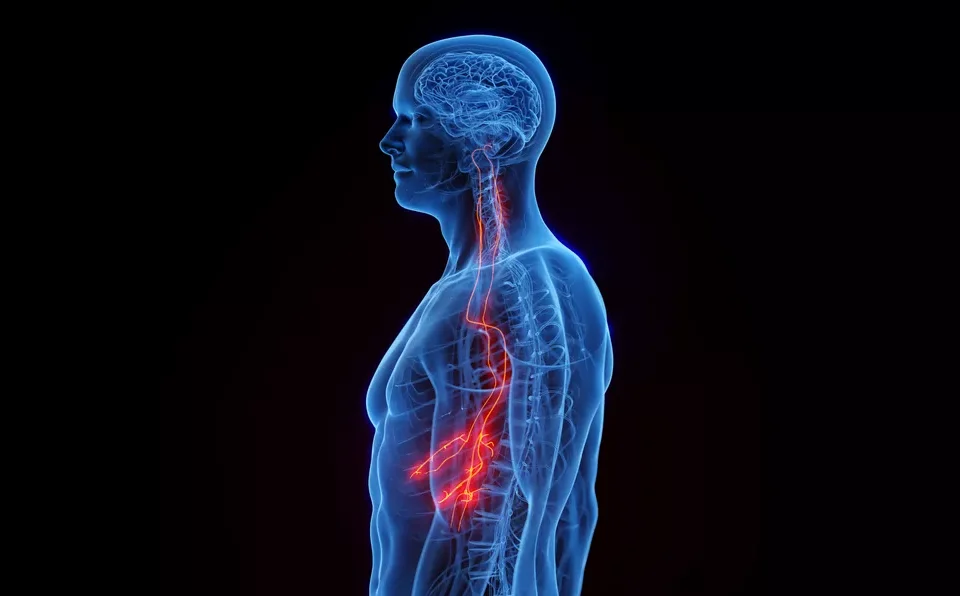
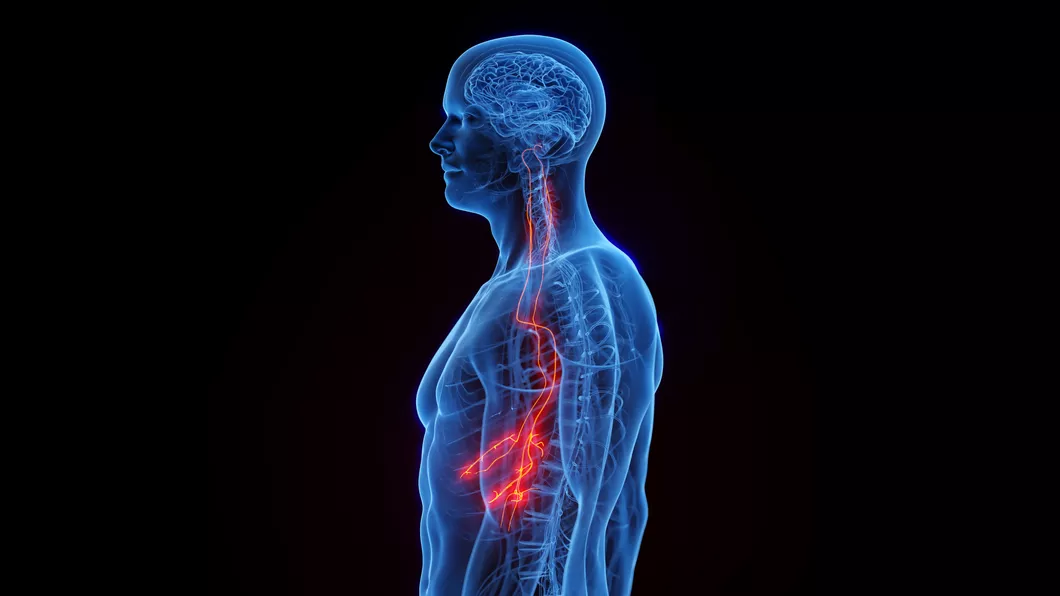
If you’ve been experiencing a few different symptoms—acid reflux, some mid-back pain, occasional headaches, and a bit of low back pain as well, right? I’d like to explain how these might all be connected through the function of your nervous system.
The Three Functions of a Nerve
Let’s start with how nerves actually work. A nerve has three main functional components:
Pain Sensation (10%)
The tiny central part of the nerve—this only makes up about 10% of its total function. That’s the part responsible for pain. So for you to actually feel pain, like sharp back pain or neck pain, there has to be a significant amount of pressure on the nerve.
Organ Function (45%)
The second portion, about 45%, controls your organs. So when you’re dealing with symptoms like acid reflux or even stomach aches, it’s this part of the nerve being affected. These types of issues don’t always come with pain—just small symptoms that often get brushed off.
Muscle Function (45%)
The third section also makes up 45% and is responsible for muscle control. When this part is affected, you might feel muscle discomfort, weakness, or fatigue—not sharp pain, but something definitely feels “off.”
What Happens During a Subluxation
When a subluxation (a spinal misalignment) puts pressure on a nerve, it may not always affect the pain component—so you might not feel “pain” right away. Instead, you’ll notice other signs like muscle tightness, lack of energy, acid reflux, or digestive issues.
That’s why people often say, “I didn’t even know anything was wrong,” or “I just felt kind of off,” because only a small portion of the nerve controls pain.
When compression becomes more severe, then the pain usually shows up. That’s why, with chiropractic adjustments, pain is often the first symptom to improve, even though underlying nerve dysfunction may still be present.
Why Symptoms Don’t Always Equal Pain
So yes, when your nerve is compressed just slightly, it might affect digestion or muscle tone—but not trigger intense pain. You might think, “Oh, maybe it was just something I ate,” but in reality, it could be that underlying nerve interference.
Once the pressure starts to reduce, like through adjustments, the pain may go away—but you may still be experiencing things like fatigue or acid reflux until the nerve fully recovers.
Does that make sense? The way your nervous system works, it’s not always going to scream at you with pain when something’s wrong. That’s why we look deeper—at organ function, muscle control, and overall nerve health—to get to the root cause of what’s going on.