Massage Therapy for Low Back Pain Relief in Little Falls, NJ
July 26, 2025
Chiropractic Care is About More Than Pain Relief in Little Falls, NJ
January 25, 2026
A Comprehensive, Natural Approach to Healthcare | Chiropractor in Little Falls, NJ
Hi there! I’m Dr. JoAnn Giesenhaus. Welcome to Core Chiropractic—come on in!
This is our reception area, where you’ll be greeted by one of our friendly team members. When you arrive, you’ll check in at the counter, then have a seat. One of the girls will bring you a clipboard with some forms to fill out. Once you’ve completed your paperwork, a team member will take you to the back—and that’s where all the good stuff happens!
Initial Consultation: Understanding You
This is our examination room. When you’re brought in, you’ll sit down with me so we can talk in detail about what brought you here today. Whether it’s neck pain, headaches, mid or low back pain, knee or hip issues, shoulder pain, sleep problems, anxiety, depression—whatever your body is signaling—we want to hear your full story.
We’ll discuss what you want, what you don’t want, and most importantly, what you need. We’ll set clear, personal goals based on your health concerns because every individual is different. Your goals are a key part of building your care plan.
Spinal Examination
After our conversation, we’ll move into your spinal examination. This begins with you lying face down so we can evaluate your leg lengths. If your legs are uneven, it usually indicates a spinal imbalance, which can lead to uneven weight distribution, joint degeneration, and nerve interference.
We’ll check your knees, hips, and then palpate the spine to assess motion and mobility. We’re looking for asymmetry—are muscles, tendons, or ligaments pulling unevenly or pressing on nerves? We’ll continue this assessment all the way up your spine, including your mid-back and neck, up to the base of your skull. We’ll also check the balance and level of your ears.
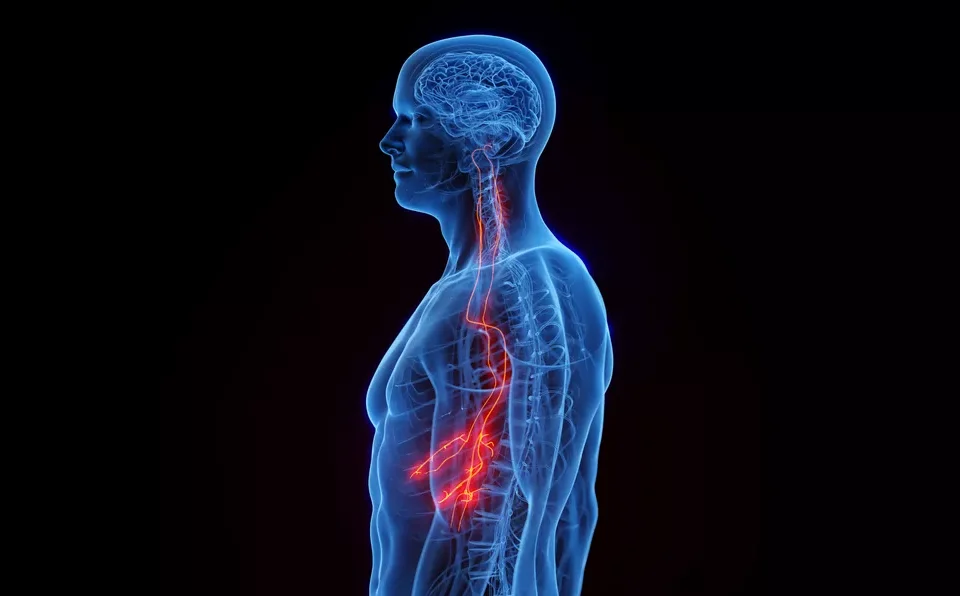
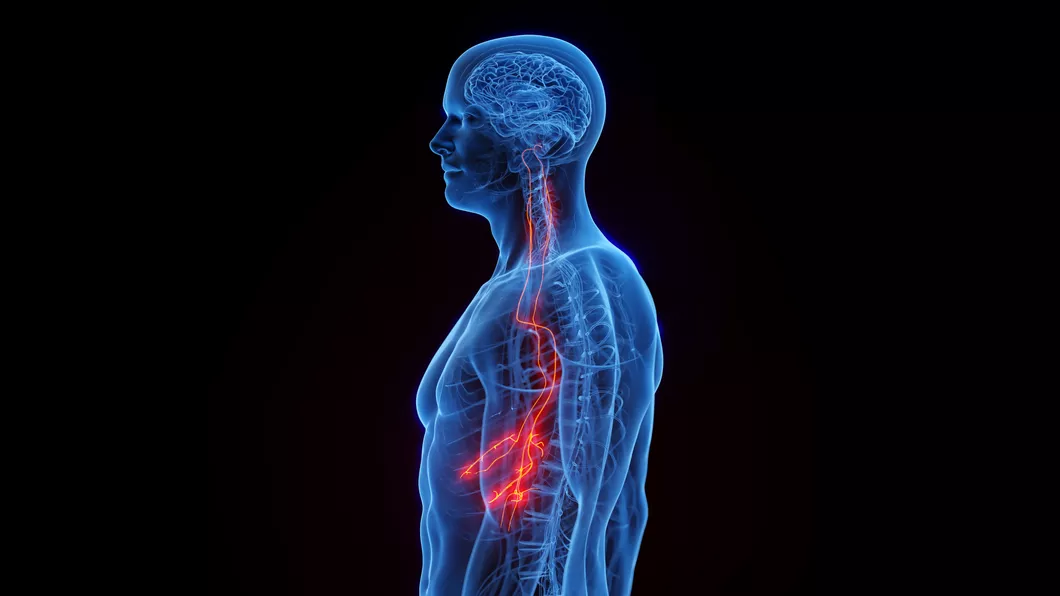
Special attention is given to the upper cervical spine, which can be the root cause of issues like migraines, vertigo, and dizziness.
Biostructural Assessment
Next, we conduct a biostructural examination. You’ll stand on two highly sensitive scales that measure weight distribution throughout your body. First, we take a reading with your eyes open, and then one with your eyes closed. Why? Because when your eyes are closed, your body’s natural compensation patterns are more evident, revealing deeper spinal misalignments that may affect your gait and posture.
Postural Analysis
We also perform a digital postural analysis using photos of your posture from multiple angles: front, side, and back. From the front, we can tell if one shoulder or hip is higher than the other. The side view helps us see if you have “tech neck” from looking down too often. The back view helps us assess symmetry and alignment.
What we see on the outside often reflects what’s happening inside.
Motion Study X-Rays (If Necessary)
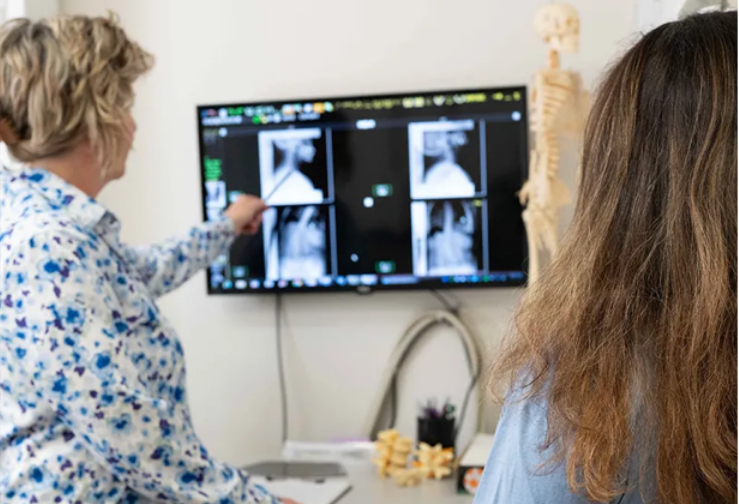
If any of our findings indicate the need, we’ll take motion study X-rays. These are not just static images; we’ll have you move during the X-rays to see how your spine functions in real time.
- Cervical spine: You’ll bend side to side to assess each vertebra’s movement. If any bones don’t move, we may be dealing with a subluxation—when a misaligned vertebra pinches a nerve.
- Thoracic spine: We check for scoliosis or rounding of the upper back. Many people have scoliosis without knowing it.
- Lumbar spine: We assess your ability to bend. If a vertebra doesn’t move properly, that could be the cause of low back pain or sciatica.
All of this—your history, your exam findings, your goals—is essential to creating a corrective care plan that’s tailored to your needs. I don’t believe in guessing with your health. We take every detail into account to provide the most accurate and effective recommendations for your care.