Does Vagal Tone Affect Anxiety? What to Know
September 21, 2026
Pediatric Nervous System Guide for Parents
September 25, 2026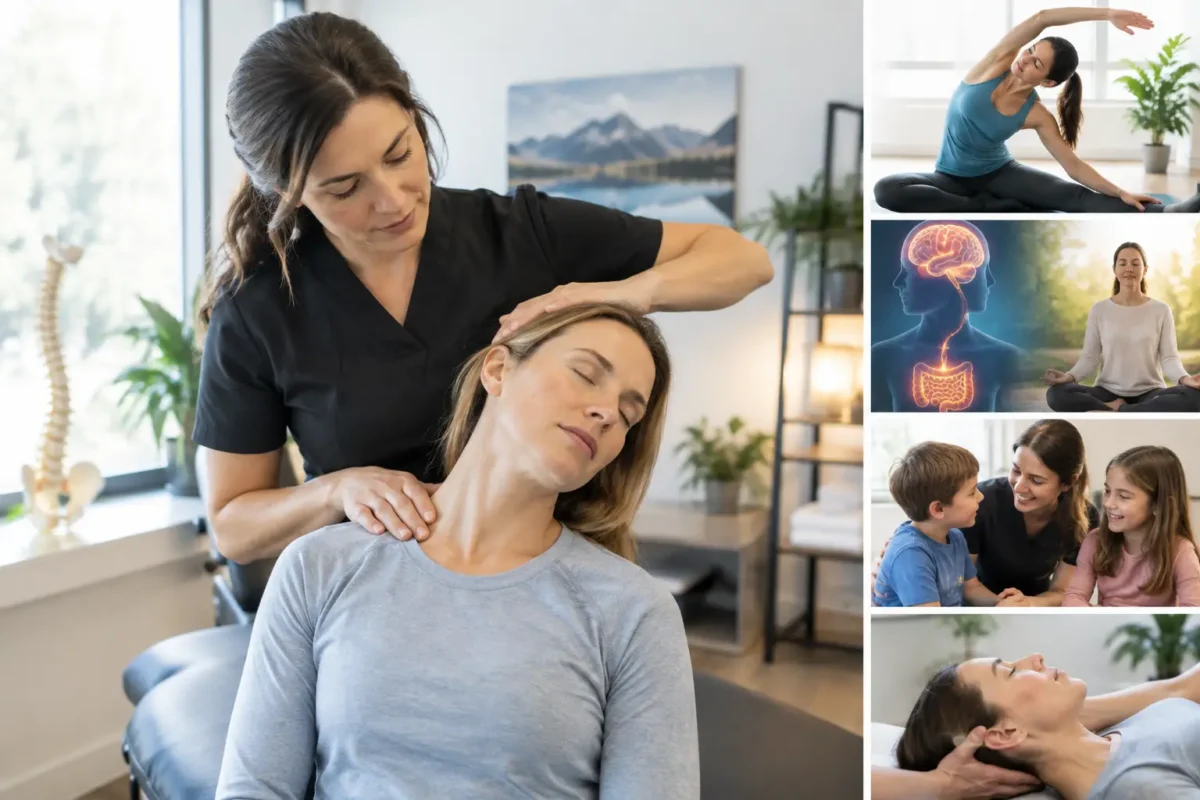
The crash may have lasted seconds. Then you wake up the next morning and cannot comfortably turn your head to check traffic, look down at your phone, or get out of bed without bracing yourself. Car accident neck stiffness is common, but it should not automatically be dismissed as something you simply have to push through. Your neck, upper back, muscles, ligaments, joints, and nervous system can all be affected by a sudden impact, even when the vehicle damage looks minor.
Some people feel pain right away. Others feel relatively normal at the scene, only to develop stiffness, headaches, fatigue, shoulder tension, or limited movement hours or days later. The adrenaline of an accident can temporarily mask discomfort. A careful response gives your body a better chance to recover fully rather than allowing a small problem to become a recurring one.
Why Neck Stiffness Can Start After a Crash
During a collision, the head and neck can move rapidly forward, backward, or side to side. This force may strain soft tissues, irritate spinal joints, and disrupt the normal motion of the cervical spine. Whiplash is a common term for this type of injury, but each person’s experience is different. The direction of impact, speed, head position, seat belt use, and prior history of neck pain all matter.
Stiffness is often the body’s protective response. Muscles tighten to limit movement around an area that feels irritated or unstable. That guarding can make sense in the short term, but it can also create a frustrating cycle: less movement leads to more tension, altered posture, and difficulty returning to normal activities.
The neck does not work in isolation. When it is injured, you may unconsciously compensate through the shoulders, upper back, jaw, or low back. That is why a person may initially say, “My neck is just tight,” then later notice headaches, tingling, trouble concentrating, or pain between the shoulder blades.
When Car Accident Neck Stiffness Needs Urgent Care
Neck pain after an accident deserves attention, and certain symptoms need prompt emergency evaluation. Seek immediate medical care if you have severe or worsening headache, loss of consciousness, confusion, repeated vomiting, difficulty speaking, fainting, vision changes, chest pain, shortness of breath, weakness, numbness, loss of coordination, or changes in bladder or bowel control.
You should also be evaluated urgently for intense neck pain after a significant collision, pain directly over the bones of the neck, or an inability to move your head normally. These symptoms can indicate injuries that require medical imaging and care beyond a conservative approach.
Even without those warning signs, do not assume that delayed pain is insignificant. A thorough assessment can help identify whether your stiffness is related to muscle strain, joint dysfunction, ligament irritation, nerve involvement, or another concern. Early documentation is also useful if symptoms change over time.
What to Do in the First Few Days
The goal is not to force your neck to “loosen up” as quickly as possible. It is to protect the area, reduce unnecessary irritation, and get clear guidance on the next step.
Start with relative rest. Avoid heavy lifting, contact sports, aggressive stretching, or repeatedly testing painful movements. Complete bed rest is usually not helpful for uncomplicated stiffness, but neither is trying to work through sharp pain. Gentle, comfortable movement may support circulation and reduce guarding when it does not increase symptoms.
Cold packs can be useful early on for soreness and inflammation-like irritation. Use a barrier between the pack and your skin, and keep sessions brief. Some people find heat more soothing after the first day or two, especially when muscle tension is the dominant issue. There is no single rule that works for every injury. Choose the option that reduces discomfort without leaving symptoms worse afterward.
Pay attention to your posture during everyday tasks. Looking down at a laptop, holding a phone between your shoulder and ear, or sleeping in an awkward position can aggravate an already sensitive neck. A supportive sleeping position, frequent breaks from screens, and keeping your work at eye level can reduce unnecessary strain while you recover.
Pain medication may be appropriate for some people, but it should be discussed with a qualified medical provider, particularly if you take other medications or have health conditions. Medication can reduce symptoms, but it does not explain why the stiffness developed or restore normal movement on its own.
Why “Wait It Out” Is Not Always the Best Plan
Many minor strains improve with time. At the same time, waiting without an evaluation can leave you guessing about what your body needs. If symptoms persist, return after activity, or limit your ability to sleep, drive, work, or care for your family, the issue may need a more structured plan.
A neck that has lost normal motion can cause surrounding muscles to work harder. Over time, people may begin avoiding turns in one direction, carrying tension in the shoulders, or relying on short-term fixes that never address the underlying mechanics. This is especially common for busy parents, commuters, office workers, and athletes who feel pressure to get back to normal before their body is ready.
A root-cause approach looks beyond the pain level on a given day. It considers how your spine is moving, where compensation is occurring, whether nerves are being irritated, and what daily habits may be prolonging the problem. The best care plan depends on the examination findings, the severity of your injury, and your response to care.
How Gentle Chiropractic Care May Help
After serious injury has been ruled out or appropriately managed, conservative chiropractic care may be part of a recovery plan for some people with car accident neck stiffness. The focus should be on an individualized evaluation, not a one-size-fits-all adjustment.
At Core Wellness, care begins with listening to what happened, how your symptoms have changed, and what activities now feel limited. A comprehensive exam can assess posture, range of motion, muscle tension, spinal function, and signs that additional imaging or medical referral may be appropriate. When imaging is used, it can help create a clearer baseline and track measurable changes over time.
For patients who are appropriate candidates, gentle precision-focused chiropractic care may support improved spinal motion without popping, cracking, or twisting. ArthroStim care uses controlled, targeted impulses intended to address areas of dysfunction with a light touch. Complementary therapies, therapeutic exercise, and personalized home guidance may also be considered based on the individual.
The point is not to chase a temporary feeling of relief. It is to help the body move and function better while building a plan that supports recovery outside the office. Some patients need a short course of care. Others with more persistent symptoms, prior injuries, or significant movement changes may need a longer, reassessed plan. Progress should be measured, discussed, and adjusted as your body responds.
Questions to Ask Before Starting Care
A provider should be willing to explain what they are looking for, why a specific recommendation makes sense, and how they will monitor your progress. You deserve more than a rushed visit and vague instructions to come back indefinitely.
Ask whether your symptoms suggest a need for imaging or referral, what movements you should temporarily avoid, and what improvement should realistically look like over the next few weeks. Also ask what would prompt a change in the plan. Clear answers build confidence and help you take an active role in healing.
Recovery after an accident is rarely about one perfect appointment or one quick stretch. It is about giving your body the right assessment, the right amount of support, and enough time to regain trust in movement. If your neck still feels guarded, restricted, or unlike itself after a crash, listening to that signal now may help protect the active life you want to return to.