
Passaic County Chiropractic Imaging Explained
September 19, 2026
What to Do for Car Accident Neck Stiffness
September 23, 2026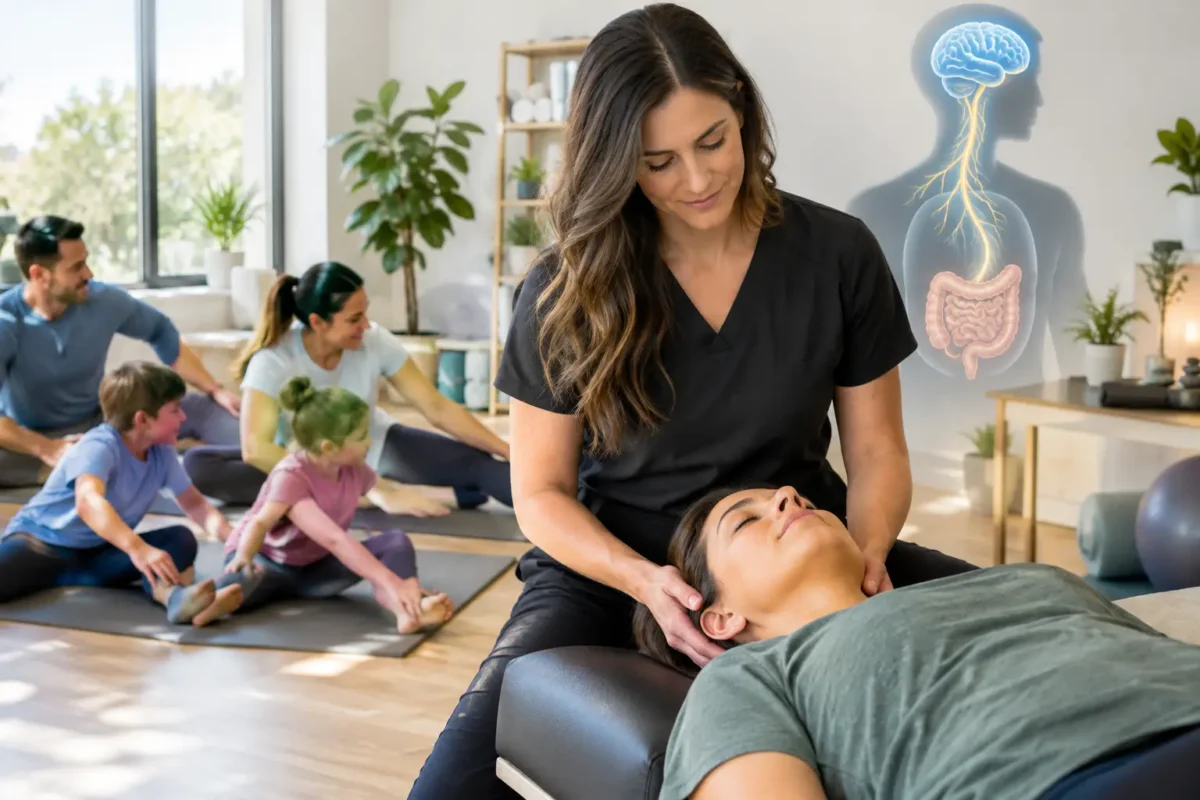
A racing heart before a meeting, a tight chest during the school pickup line, or the feeling that you can never fully settle can make anxiety feel like a personal failure. It is not. When people ask, does vagal tone affect anxiety, they are often trying to understand why their body stays on high alert even when they know they are safe. The short answer is that vagal tone may influence how efficiently your nervous system shifts out of a stress response, but it is only one piece of a much bigger picture.
Anxiety deserves thoughtful care, not dismissal. Understanding the connection between the vagus nerve, stress, posture, sleep, pain, and daily habits can give you a more useful starting point for supporting your health.
What vagal tone means
The vagus nerve is a major communication pathway between the brain and the body. It carries signals to and from areas involved in heart rate, breathing, digestion, voice, and other automatic functions. It is a central part of the parasympathetic nervous system, often described as the body’s rest-and-recover side.
Vagal tone is a broad term used to describe vagus nerve activity and the body’s capacity to adapt after stress. Researchers often estimate it using heart rate variability, or HRV. In general, higher HRV can reflect more flexible communication between the brain, heart, and nervous system. Lower HRV can occur when the body is under strain, although it is not a stand-alone diagnosis and can change with age, medications, illness, fitness, sleep, and many other factors.
Think of vagal tone less as a score you need to perfect and more as part of your nervous system’s recovery capacity. After a stressful moment, can your breathing slow? Can your heart rate settle? Can your digestion return to normal? Can you feel present again? Those shifts matter.
Does vagal tone affect anxiety symptoms?
Vagal tone can be related to anxiety because anxiety often involves a nervous system that is primed to detect threat. When the sympathetic fight-or-flight response remains active, you may notice shallow breathing, muscle tension, stomach upset, sleep disruption, irritability, brain fog, or a pounding heart. A less flexible stress response may make it harder to return to a calmer state after a trigger has passed.
That does not mean low vagal tone causes every case of anxiety, or that improving it will cure anxiety. Anxiety can be shaped by genetics, trauma, chronic stress, hormonal changes, medical conditions, substance use, pain, work demands, family responsibilities, and learned patterns of thought. For many people, several of these factors overlap.
Still, the nervous system connection is meaningful. When your body has been dealing with persistent pain, poor sleep, limited movement, or ongoing stress, it may have fewer resources available for regulation. The result can be a cycle: anxiety increases physical tension and symptoms, then the symptoms themselves create more anxiety.
The body signals people often overlook
Anxiety is not always experienced as worry. Some people feel restless, disconnected, exhausted, or unusually sensitive to noise and conflict. Others notice digestive changes, headaches, jaw tension, neck stiffness, palpitations, or difficulty taking a satisfying breath.
These symptoms should never be brushed aside as “just stress.” They are real body experiences, and they also deserve appropriate medical evaluation when they are new, severe, or persistent. Chest pain, fainting, sudden shortness of breath, new neurological symptoms, or thoughts of self-harm require prompt professional or emergency support.
For less urgent but recurring concerns, a comprehensive conversation can be valuable. Looking at your health history, stress load, sleep, movement, nutrition, injuries, medications, and patterns of discomfort often reveals more than focusing on one symptom alone.
Supporting nervous system regulation in daily life
You cannot force your nervous system to calm down by telling yourself to relax. You can, however, give it repeated signals of safety and recovery. Small practices are most useful when they are realistic enough to repeat, especially on difficult days.
Slow, comfortable breathing can help some people, particularly when the exhale is slightly longer than the inhale. The goal is not to take huge breaths, which can make lightheadedness worse for some people. Instead, try a gentle pace: inhale comfortably, then let the exhale lengthen without straining.
Regular movement matters, too. Walking, strength work, mobility exercises, and other activity you enjoy can support mood, sleep, circulation, and stress resilience. The right amount depends on your current health and energy. If intense exercise leaves you wired, depleted, or in pain, a more gradual plan may serve you better.
Sleep is another foundational piece. A consistent wake time, morning daylight, fewer late-night screens, and a wind-down routine can help reinforce your body’s daily rhythm. Nutrition and hydration play a role as well. Skipping meals, relying heavily on caffeine, or using alcohol to unwind can intensify jitteriness, disrupted sleep, and anxious sensations in some people.
Connection is also regulatory. A conversation with someone safe, time with family, laughter, singing, prayer, or a quiet moment outdoors can help the body shift out of isolation and alertness. These are not superficial fixes. They are repeated experiences that tell the nervous system it does not have to stay guarded every minute.
Where chiropractic care may fit
Chiropractic care is not a replacement for mental health treatment, medication management, or medical care for anxiety. It should not be presented as a cure for anxiety. But for people whose stress is accompanied by ongoing neck or back discomfort, headaches, movement limitations, or physical tension, addressing musculoskeletal and nervous system function can be a worthwhile part of a broader wellness plan.
At Core Wellness, care begins with listening carefully to what has changed, what symptoms are interrupting daily life, and what may be contributing to the pattern. Gentle, precision-focused chiropractic care can be used to address spinal motion and function without popping, cracking, or twisting. When appropriate, therapeutic exercise and other supportive services may help patients build more comfortable movement and greater confidence in their bodies.
The value is not a promise of a quick emotional reset. It is a personalized plan that looks beyond temporary symptom management. When pain, stiffness, poor posture, or repeated physical stress are adding to your daily load, improving function may create more room for restorative sleep, movement, and the habits that support nervous system regulation.
Measurable progress matters here. Your experience matters most, but tracking changes in comfort, mobility, sleep, activity tolerance, and functional goals can make care more meaningful than simply hoping you feel better from one week to the next.
When anxiety needs additional support
A whole-body approach works best when it includes the right professionals. A primary care clinician can help rule out or manage medical contributors such as thyroid conditions, anemia, heart rhythm concerns, medication effects, or sleep disorders. A licensed mental health professional can help with anxiety-specific treatment, including cognitive behavioral therapy, trauma-informed therapy, and other evidence-based approaches.
Medication can also be an appropriate and helpful tool for some people. Choosing medication is not a failure, just as choosing therapy, movement, or supportive body-based care is not a shortcut. The best plan is the one that fits your symptoms, preferences, history, and level of support.
If your anxiety is affecting work, relationships, parenting, sleep, or your ability to do things you normally enjoy, you do not have to wait until it becomes unbearable. Support can be practical, compassionate, and tailored to the full picture of your health.
Your nervous system is always responding to the signals it receives – from pain, pressure, sleep, movement, relationships, and the pace of your life. A careful assessment can help you identify which signals are keeping you stuck and which changes may help you feel more steady, capable, and at home in your body.